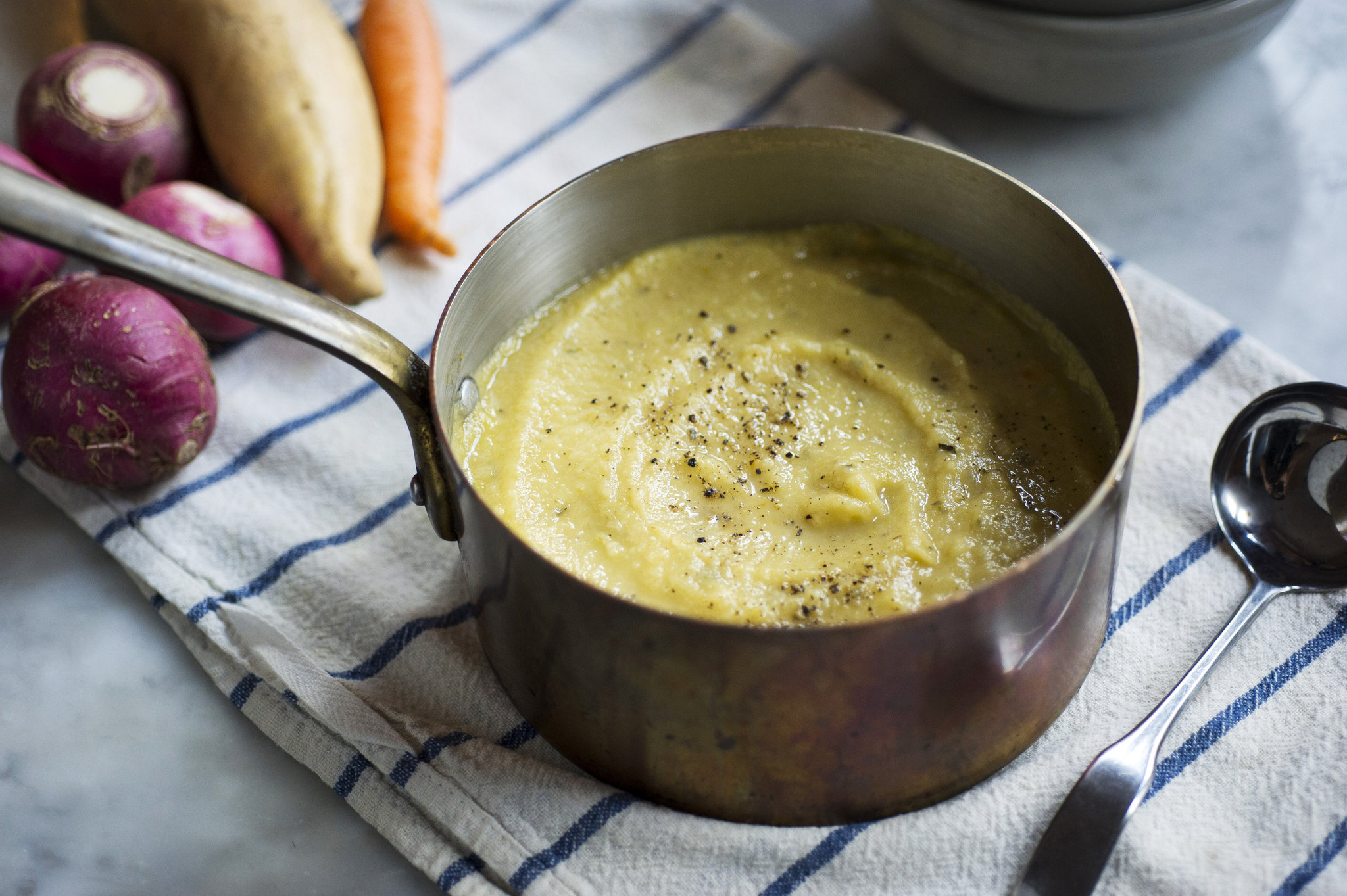
Seasonal Root Vegetable Soup: The Ultimate Mix & Match for Flavor
As the cooler months draw in, there's a particular warmth and comfort that only a hearty bowl of soup can provide. Among the myriad of options, a truly exceptional
root vegetable soup stands out. Far from being a bland affair, this versatile dish offers a tapestry of earthy flavors, rich textures, and incredible nutritional value. Forget the notion that a satisfying soup requires an elaborate stock or heavy cream; we're about to explore how simple, everyday root vegetables, combined with a few clever tricks, can transform into a nourishing, incredibly flavorful meal that’s both flexible and surprisingly light.
Imagine a soup so inherently creamy from its ingredients that it feels indulgent, yet remains a powerhouse of healthy goodness. This is the magic of a well-crafted
root vegetable soup. It’s a celebration of the underground harvest, bringing together the humble yet mighty contributions of carrots, potatoes, parsnips, and more into a harmonious blend that tantalizes the taste buds and warms the soul.
The Art of the Mix & Match: Crafting Your Perfect Blend
The beauty of a truly great
root vegetable soup lies in its adaptability. It’s a dish that encourages creativity and makes the most of whatever your local market, CSA box, or even your forgotten veggie bin offers. While some combinations are tried and true, the concept of "mix & match" is at its heart.
Here’s a breakdown of key root vegetables and their contributions, giving you the power to customize your ultimate soup:
*
The Starchy Powerhouses (for Creaminess & Body):
*
Potatoes (Russet, Yukon Gold): These are your workhorses, providing incredible creaminess and a neutral base that absorbs other flavors beautifully.
*
Sweet Potatoes: Adding a wonderful natural sweetness and vibrant color, sweet potatoes also contribute to the soup's silky texture. They're excellent for balancing the earthiness of other roots.
*
Substitution Tip: Potatoes and sweet potatoes are largely interchangeable for texture. If you're short on one, simply double up on the other!
*
The Flavor & Aroma Architects (the Foundation):
*
Onion (Yellow, White): The essential aromatic base, providing depth and a slightly sweet, savory foundation when sautéed properly.
*
Garlic: Non-negotiable! Its pungent warmth is crucial for building a complex flavor profile. Sautéing it gently with the onion releases its full potential.
*
The Earthy & Sweet Enhancers (for Depth & Nuance):
*
Carrots: A classic for a reason. Carrots bring a bright sweetness and a lovely orange hue. They blend well and add a distinct garden-fresh note.
*
Parsnips: Often overlooked, parsnips look like white carrots but offer a unique nutty, sweet, and slightly spicy flavor that elevates the entire soup. They contribute significantly to the soup's earthy depth.
*
Celeriac (Celery Root): This knobbly root might look intimidating, but its flavor is a revelation – a delicate blend of celery and parsley, with a slightly nutty undertone. It adds a sophisticated layer of taste.
*
Substitution Tip: If celeriac isn't available, three celery sticks can offer a similar, albeit milder, flavor note. Swede (rutabaga) or turnip can also be good substitutes for adding a slightly peppery, earthy kick.
Don't be afraid to experiment with other root vegetables like rutabaga for a peppery, cabbage-like note, or even beetroot for a stunning color and distinct earthy sweetness (though use sparingly as its flavor is dominant). The goal is to create a harmonious blend where no single flavor overwhelms but rather complements its counterparts.
Unlocking Flavor: Beyond the Basic Broth
One of the most surprising and delightful aspects of a truly great
root vegetable soup is its ability to deliver rich, savory depth without relying on expensive or time-consuming homemade stocks. While many delicious soups are built on a robust chicken, beef, or vegetable stock, this recipe demonstrates a different path to profound flavor.
The secret often lies in a powerful yet subtle spice blend. The humble curry powder, for instance, can be a game-changer. No, it won't make your soup taste overtly "Indian" or turn it into a curry wannabe. Instead, it provides a warm, earthy spice backbone that lifts and amplifies the natural flavors of the root vegetables. Most people who taste it can't quite pinpoint the "spicing," but they'll absolutely notice the enhanced richness and warmth that simply wouldn't be there otherwise. It provides that essential savory depth that prevents a water-based soup from tasting flat.
Beyond curry powder, consider other aromatics to deepen your soup's profile:
*
Fresh Herbs: Rosemary, thyme, or bay leaves (as suggested by some culinary experts) simmered with the vegetables can infuse a wonderful herbaceous character.
*
Smoked Paprika: A pinch of smoked paprika can add a subtle smokiness and vibrant color.
*
Black Pepper: Freshly cracked black pepper is a must for adding a gentle warmth and aromatic bite.
This innovative approach to flavor means you don't have to stress about having stock on hand, making this
Curry Powder's Secret: Flavorful Root Soup Without Stock both convenient and incredibly tasty.
Health Benefits & Versatility: Why Root Soups Reign Supreme
Beyond its delicious taste, a well-prepared
root vegetable soup is a nutritional powerhouse. Root vegetables are naturally packed with:
*
Vitamins and Minerals: Rich in Vitamin A (carrots, sweet potatoes), Vitamin C, potassium, and various B vitamins.
*
Fiber: Essential for digestive health and promoting a feeling of fullness.
*
Antioxidants: Helping to combat free radicals in the body.
One of its most appealing features is its inherent creaminess, often achieved without a drop of actual cream. The high starch content of potatoes and sweet potatoes naturally thickens the soup as it simmers and blends, creating a luxurious, velvety texture that belies its healthy credentials. A generous serving can clock in at a surprisingly low calorie count, making it a fantastic option for those seeking wholesome, satisfying meals.
Furthermore, this type of soup offers incredible versatility:
*
Dietary Adaptability: It's naturally gluten-free, easily made vegan (just ensure no animal stock is used, though water works perfectly), and can be customized for various dietary needs.
*
Seasonal Appeal: Root vegetables are typically at their peak during autumn and winter, making this soup a perfectly seasonal and often budget-friendly meal.
*
Make-Ahead & Freezing: Like many great soups, this one often tastes even better the next day as the flavors meld. It also freezes beautifully, making it ideal for meal prepping.
For more on creating a naturally rich and wholesome dish, explore
Creamy Root Vegetable Soup: Healthy, Versatile & Easy Comfort.
Practical Tips for Your Best Root Vegetable Soup
Achieving that ultimate flavor and texture for your
root vegetable soup is simpler than you think with a few key techniques:
1.
Uniform Chopping: Cut your root vegetables into roughly similar-sized pieces. This ensures they cook evenly and become tender at the same rate, crucial for a smooth blend.
2.
Sautéing is Key: Don't rush the initial sauté of your onion and garlic. Cooking them gently until translucent and fragrant builds the essential flavor base for your soup. If you're using other hard aromatics like celery, add them here too.
3.
Consider Roasting (Optional but Recommended): For an extra layer of depth, toss your chopped root vegetables with a little olive oil, salt, and pepper, and roast them in the oven for 20-30 minutes before adding them to the pot. This caramelizes their natural sugars, intensifying their flavors.
4.
Seasoning Strategy: Salt and pepper throughout the cooking process, not just at the end. Taste your soup before blending, and then again after. A squeeze of fresh lemon juice or a splash of apple cider vinegar at the end can brighten all the flavors beautifully.
5.
Achieving the Perfect Texture:
*
Immersion Blender: The easiest tool for achieving a smooth consistency directly in the pot.
*
Regular Blender: For an incredibly silky soup, transfer batches carefully to a stand blender. Be sure to vent the lid or remove the stopper to allow steam to escape and prevent pressure buildup.
*
For Chunky Soup: If you prefer some texture, blend only about two-thirds of the soup, leaving some chunks intact for a heartier feel.
6.
Garnishes Galore: Elevate your soup with simple garnishes. A swirl of good olive oil, a sprinkle of fresh herbs (parsley, chives), toasted seeds (pumpkin, sunflower), crunchy croutons, or a grating of Parmesan cheese can add both visual appeal and an extra layer of flavor and texture.
Embrace the Seasonal Harvest
A bowl of homemade
root vegetable soup is more than just a meal; it's an experience. It’s the kind of comforting nourishment that feels like a warm hug on a chilly day, a testament to the simple, honest flavors of the earth. With its incredible flexibility, health benefits, and ease of preparation, it truly embodies the spirit of home cooking. So, the next time you're wondering what to make with your market haul or what to whip up for a wholesome family dinner, remember the magic of the mix and match. Dive into the delightful world of root vegetables and create a soup that’s uniquely yours, bursting with ultimate flavor and heartwarming goodness.